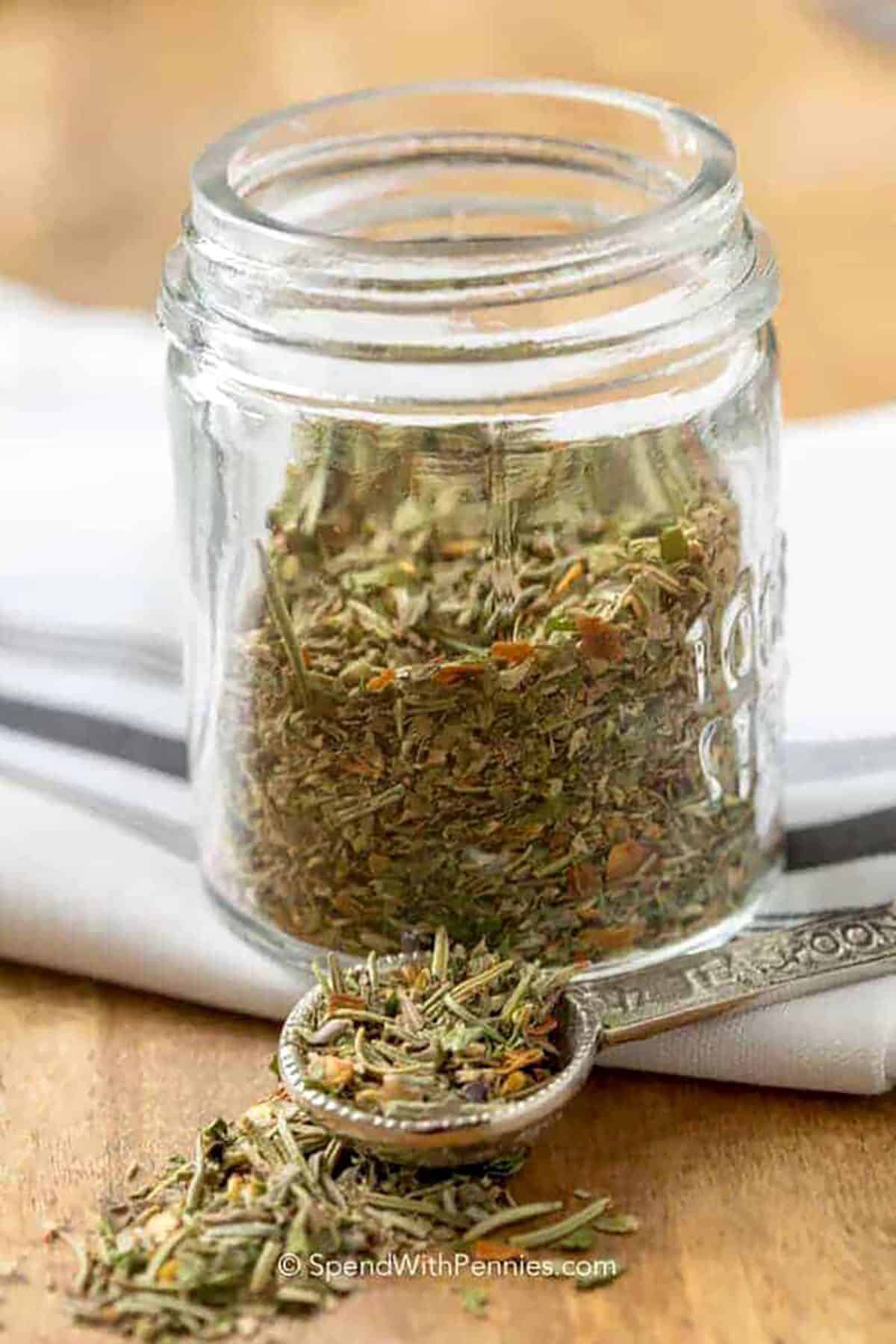
Why Make Your Own Homemade Italian Seasoning?
Imagine opening your spice drawer to find an array of vibrant, aromatic blends, perfectly organized and ready to transform any dish. While single-origin spices have their place, the true workhorses of day-to-day cooking are often the carefully crafted seasoning blends. Among these, Italian seasoning stands out as a culinary MVP, and the satisfaction of creating your own
homemade Italian seasoning recipe far surpasses anything you'll find on a grocery store shelf.
Making your own spice blends is more than just a kitchen hack; it's a commitment to fresher, more flavorful food. Store-bought versions, while convenient, can often contain anti-caking agents, excessive salt, or less potent, older herbs. When you mix your own, you have complete control over the quality and freshness of each ingredient. This means a more vibrant aroma, a bolder taste, and the peace of mind that comes from knowing exactly what’s in your food. Plus, it's incredibly cost-effective in the long run, turning a handful of common dried herbs into a versatile flavor powerhouse. It’s a simple step that significantly elevates your cooking, making it easy to "zhuzh up" everything from a humble weeknight pasta to an elaborate holiday roast.
The Core Ingredients of a Classic Homemade Italian Seasoning Recipe
At its heart, an authentic
homemade Italian seasoning recipe is a symphony of dried green herbs, each contributing its unique note to create a harmonious blend. While variations exist, the foundational components are almost universally agreed upon.
The superstars of this blend are:
- Dried Oregano: Known for its robust, earthy, and slightly peppery notes, oregano is indispensable. It brings a classic Mediterranean warmth.
- Dried Basil: Sweet and aromatic, basil adds a layer of gentle peppery and minty flavor, quintessential to Italian cuisine.
- Dried Rosemary: With its pine-like aroma and pungent, slightly bitter taste, rosemary offers a distinctive, woody depth.
- Dried Thyme: Earthy, minty, and subtly lemon-tinged, thyme provides a delicate balance to the stronger flavors.
Beyond these core four, many excellent Italian seasoning blends, including the one we're crafting, benefit from the addition of:
- Dried Marjoram: Often described as a milder, sweeter cousin to oregano, marjoram adds a nuanced floral and citrusy touch. If you don't have marjoram, you can easily double the oregano for a similar, though slightly bolder, effect.
- Dried Sage: Lending an earthy, slightly peppery, and piney flavor, sage offers a beautiful autumnal depth that rounds out the blend wonderfully. While optional, it's a highly recommended addition for its unique character.
Unlike some commercial blends, our base
homemade Italian seasoning recipe typically sticks to dried herbs, allowing for maximum versatility. Store-bought varieties sometimes include garlic powder, red pepper flakes, or salt, which can limit how you use the blend in various dishes. By keeping it to herbs only, you control these additions fresh with each meal. For a simple guide to getting started, check out our
Easy Homemade Italian Seasoning: Better Than Store-Bought.
Unleash Its Potential: Creative Ways to Use Your Homemade Italian Seasoning
Once you've crafted your perfect batch of
homemade Italian seasoning, you'll discover its incredible versatility. This blend isn't just for "Italian" dishes; it's a flavor enhancer that works across a myriad of culinary applications. Its herbaceous profile makes it a natural complement to a wide range of ingredients and cooking methods.
Here are just a few ideas to get you started:
- Pasta Sauces & Pizzas: This is a no-brainer. Sprinkle generously into marinara, Bolognese, or your favorite red sauce. It's the secret weapon for an authentic pizza flavor, whether you're making homemade dough or sprucing up a frozen pie.
- Roasted Vegetables: Toss potatoes, zucchini, bell peppers, asparagus, or broccoli with olive oil and a healthy dose of Italian seasoning before roasting. The herbs bloom in the heat, creating irresistibly savory vegetables.
- Meats & Poultry: Rub it onto chicken (whole or pieces), beef roasts, pork chops, or even meatballs before cooking. It creates a flavorful crust and infuses the meat with aromatic goodness. It’s also fantastic in homemade sausage blends.
- Soups & Stews: A spoonful added to minestrone, lentil soup, or a hearty vegetable stew instantly deepens the flavor profile, bringing warmth and complexity.
- Dressings & Marinades: Whisk it into your homemade vinaigrettes with red wine vinegar, balsamic, lemon juice, and olive oil. It makes an excellent marinade for chicken, fish, or firm tofu.
- Bread Dipping Oil: Combine a generous pinch with high-quality extra virgin olive oil for an effortless yet elegant appetizer. Serve with crusty bread.
- Cheeses & Spreads: Sprinkle it over fresh mozzarella or creamy ricotta. Mix it into cream cheese or goat cheese for a savory spread for crackers or baguettes.
- Eggs: Add a dash to scrambled eggs, omelets, or frittatas for an unexpected herby lift to your breakfast or brunch.
- Sandwiches & Garlic Bread: Elevate your next Italian sub or hero by sprinkling it on the fillings. It's also fantastic mixed into butter for the best homemade garlic bread.
The beauty of this blend lies in how it seamlessly integrates, adding depth without overpowering other flavors. It's a testament to the power of well-chosen herbs working in concert.
Beyond the Basics: Customizing Your Homemade Italian Seasoning Recipe
While the core blend is a fantastic starting point, the true joy of a
homemade Italian seasoning recipe lies in its potential for personalization. You are the chef, and your spice cabinet is your canvas. Don't be afraid to tweak the ratios or introduce new elements to suit your specific taste preferences or the dish you're preparing.
Here are popular ways to make your DIY Italian seasoning uniquely yours:
- Add a Spicy Kick: If you enjoy a bit of heat, incorporating red pepper flakes is a game-changer. Start with 1 teaspoon for a subtle warmth and increase up to 1 tablespoon (or more!) for a bolder, spicier blend. This is particularly good for pasta sauces, pizzas, or anything needing a lively edge.
- Garlicky Goodness: For garlic lovers, adding garlic powder is a must. About 2 tablespoons for a standard batch will infuse the blend with that unmistakable savory aroma. Just be sure to give your container a good shake before each use, as the granules can sometimes settle at the bottom. Onion powder can also be added for an extra layer of savory depth.
- Salt it or Not?: This is a crucial decision. Many prefer to keep their homemade Italian seasoning recipe salt-free, allowing them to control the sodium content in each dish. However, if you primarily use the blend for dishes where salt is always welcome (like roasting vegetables), you could add fine sea salt directly to the mix. A good starting point would be 1-2 tablespoons of salt for a batch containing 1/2 cup of dried herbs.
- Herb Adjustments:
- Marjoram: As mentioned, if you don't have marjoram, simply omit it or replace it with an equal amount of additional dried oregano.
- Sage: While optional, sage adds a wonderful earthy, slightly peppery note. If you find its flavor too strong, reduce the amount, or omit it entirely. Conversely, if you love its unique profile, feel free to add a bit more.
- Beyond the Usual: Don't limit yourself! A touch of dried parsley can brighten the blend, or even a tiny amount of fennel seeds, crushed, can add a subtle aniselike warmth, especially delightful in sausage recipes.
The beauty of a DIY Italian seasoning is the freedom to experiment. Mix a small test batch with your desired additions, taste it, and adjust until it's perfect for your palate. To dive deeper into customization and storage, our article on
DIY Italian Seasoning: Simple Recipe, Storage & Usage Ideas offers even more insights.
Storing Your Flavorful Creation: Tips for Longevity
Once you've perfected your
homemade Italian seasoning recipe, proper storage is key to maintaining its potency and preserving its vibrant flavors. Dried herbs, while long-lasting, are susceptible to degradation if not stored correctly.
To ensure your blend remains fresh and aromatic for as long as possible, follow these simple guidelines:
- Airtight Container: This is paramount. Exposure to air is the primary enemy of dried herbs, causing their volatile oils to evaporate. Glass jars with tight-fitting lids (like Mason jars or old spice jars) are ideal. Ensure they are clean and completely dry before filling.
- Cool, Dark Place: Heat and light are the other culprits that diminish flavor. Store your Italian seasoning in a cupboard or pantry away from direct sunlight, stoves, and dishwashers. A cool, dry environment helps to preserve the integrity of the herbs.
- Avoid Moisture: Humidity can cause dried herbs to clump, lose flavor, and even develop mold. Always use a dry spoon when scooping out the seasoning, and ensure the storage area is free from excessive moisture.
- Label and Date: While your homemade blend won't "go bad" in the same way fresh food does, its flavor will gradually fade over time. Labeling your container with the date of creation will help you keep track.
Generally, a well-stored
homemade Italian seasoning recipe will retain its peak potency for about 6 months. It will still be good to use after that period, but you might notice a less intense aroma and flavor, requiring you to use a little more to achieve the same impact. Some sources suggest it can last up to 12 months, but for the best culinary experience, aim to refresh your batch within half a year. A good sniff test can often tell you if your blend is still vibrant – if the aroma is faint, it's time to make a new batch.
Conclusion
Crafting your own
homemade Italian seasoning recipe is a simple yet profoundly rewarding culinary endeavor. It's an act of taking control of your ingredients, prioritizing freshness, and infusing your dishes with unparalleled flavor. From the foundational blend of oregano, basil, rosemary, and thyme to your unique customizations with garlic, red pepper, or extra sage, this versatile mixture is a game-changer for any home cook. Embrace the joy of creating something truly special in your kitchen, and watch as this humble blend transforms everyday meals into extraordinary culinary experiences. So, gather your herbs, mix your magic, and savor the customizable flavor of your very own Italian seasoning.