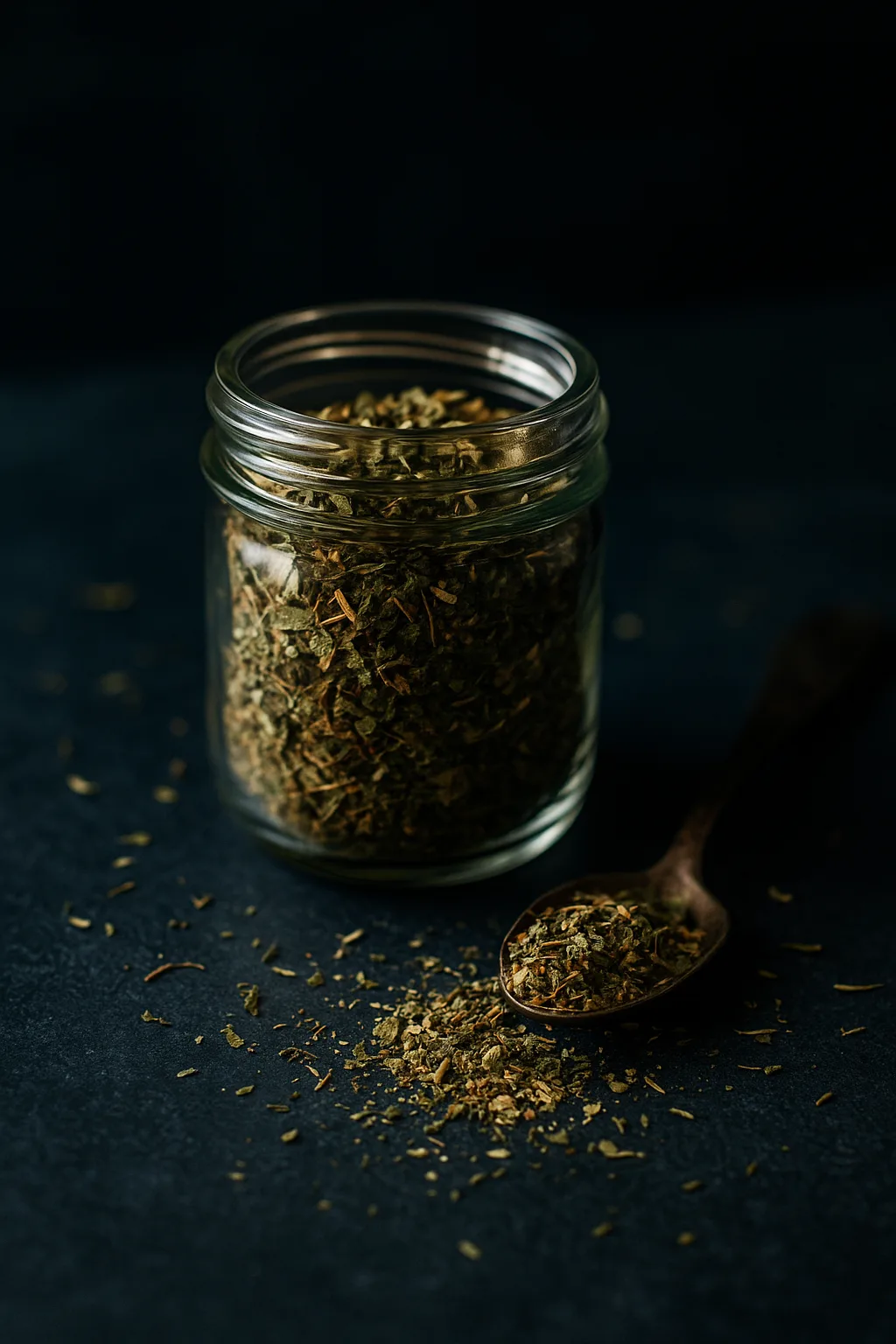
Step into any seasoned home cook's kitchen, and you'll likely find a well-organized spice collection – perhaps alphabetically arranged, brimming with exotic single-origin spices. Yet, even with sumac and turmeric at the ready, there's an undeniable truth: seasoning blends are the unsung heroes of daily cooking. They're a shortcut to delicious flavor, a one-stop shop for elevating countless dishes. While store-bought options are convenient, there's a particular magic in creating your own, especially when it comes to a foundational blend like Italian seasoning.
Mastering a homemade Italian seasoning recipe isn't just about saving a few dollars; it's about control, freshness, and superior flavor. It allows you to customize the blend to your exact preferences, ensuring that every pinch delivers a vibrant, aromatic punch that store-bought versions often lack. This staple mix of dried green herbs is indispensable for everything from classic Italian-American comfort food to everyday roasted vegetables and savory dips. Let’s dive into how you can easily whip up this versatile seasoning, store it effectively, and unlock its full potential in your culinary adventures.
Crafting Your Own: The Ultimate Homemade Italian Seasoning Recipe
The beauty of a homemade Italian seasoning recipe lies in its simplicity. Typically, it’s a harmonious blend of earthy, aromatic, and slightly peppery dried herbs. While ingredient lists can vary, a few core players form the heart of this classic mix, providing that distinctive Mediterranean flavor profile.
Essential Ingredients for Your Blend:
- Dried Oregano: The backbone of Italian seasoning, offering a robust, slightly bitter, and peppery note.
- Dried Basil: Sweet, pungent, and aromatic, basil adds a touch of brightness.
- Dried Rosemary: Piney, woodsy, and intensely fragrant, rosemary provides depth and a characteristic Mediterranean aroma.
- Dried Thyme: Earthy and subtly minty, thyme complements the other herbs beautifully.
- Dried Marjoram: Often described as a sweeter, milder cousin to oregano, marjoram adds a delicate, floral undertone. If you don't have it, you can simply increase the amount of oregano.
- Dried Sage: Optional but highly recommended for an additional earthy, slightly peppery dimension that deepens the flavor profile.
Our Recommended Ratio (Adjustable to Taste):
For a basic, balanced blend, consider these approximate ratios:
- 3 tablespoons dried oregano
- 3 tablespoons dried basil
- 2 tablespoons dried rosemary
- 2 tablespoons dried thyme
- 1 tablespoon dried marjoram
- 1 tablespoon dried sage (optional)
Step-by-Step Instructions:
- Gather Your Herbs: Ensure all your dried herbs are fresh and fragrant. Older, less vibrant herbs will result in a less flavorful blend. You can use store-bought dried herbs, or if you're feeling ambitious, herbs you've grown and dried yourself for an even fresher result.
- Combine: In a small bowl, thoroughly combine all the dried herbs.
- Mix Well: Stir with a spoon or whisk until everything is evenly distributed. You can even give it a gentle shake in an airtight jar to ensure proper mixing.
- Store: Transfer your freshly mixed homemade Italian seasoning recipe to an airtight container. We recommend a small glass jar with a tight-fitting lid.
That’s it! In mere minutes, you've created a custom, flavorful seasoning blend that far surpasses most pre-mixed store-bought options.
Beyond the Basics: Customizing Your Homemade Italian Seasoning
One of the greatest advantages of making your own blend is the freedom to tailor it to your palate. This homemade Italian seasoning recipe is an excellent starting point, but don't hesitate to experiment and make it truly your own. For even more diverse applications and to truly Customize Your Flavor: Versatile Homemade Italian Seasoning Recipe, consider these exciting additions:
Adding a Kick or Extra Depth:
- Spicy Twist: For those who love a bit of heat, add up to 1 tablespoon of red pepper flakes to the mix. It introduces a delightful warmth that complements the herbal notes beautifully, perfect for spicier pasta sauces or pizza.
- Garlic Lover’s Dream: Incorporate 2 tablespoons of garlic powder. The pungent, aromatic flavor of garlic is a natural fit for Italian cuisine. Remember to give the blend a good shake before each use, as the fine granules of garlic powder can sometimes settle at the bottom.
- Onion Powder: A spoonful of onion powder can add a subtle layer of savory depth without overpowering the herbs.
- Fennel Seeds: For a hint of licorice-like sweetness and aroma, gently crush and add half a teaspoon of fennel seeds. This is particularly good for sausage dishes or robust tomato sauces.
- Salt & Pepper: While many prefer to add salt and pepper separately to taste, you can include a tablespoon of fine sea salt and a teaspoon of freshly ground black pepper for an all-in-one seasoning. Just be mindful of salt content in other ingredients when using.
Herb Variations:
Don't have marjoram? No problem! Simply double the amount of oregano. Not a fan of sage? Omit it entirely or replace it with an extra half-tablespoon of rosemary for a more pronounced piney aroma. The key is flexibility – use what you love and what you have on hand.
Unleashing Flavor: Creative Usage Ideas for Your Homemade Blend
Once you have your freshly mixed homemade Italian seasoning recipe, the culinary possibilities are virtually endless. This versatile blend can elevate a multitude of dishes, whether you're aiming for a classic Italian feast or simply want to add a vibrant herbal note to everyday meals.
- Pasta Sauces & Pizzas: This is arguably its most iconic use. Stir a generous tablespoon into your simmering marinara sauce, bolognese, or creamy Alfredo. Sprinkle it generously over your pizza before baking for an instant flavor boost.
- Roasted Vegetables: Toss vegetables like zucchini, bell peppers, broccoli, potatoes, or asparagus with olive oil and Italian seasoning before roasting. The herbs infuse beautifully, creating tender, flavorful sides.
- Meats & Poultry: Rub it onto chicken breasts, fish fillets, pork tenderloin, or beef before grilling, baking, or pan-frying. It makes a fantastic dry rub or can be incorporated into marinades with olive oil and lemon juice or vinegar.
- Soups & Stews: Add a teaspoon or two to your favorite minestrone, lentil soup, or vegetable stew for an instant depth of flavor that tastes like it's been simmering all day.
- Dressings & Dips: Whisk it into a homemade vinaigrette with red wine vinegar or balsamic, lemon juice, and olive oil. Or, for a simple appetizer, mix a spoonful into a small bowl of high-quality olive oil for an irresistible bread dip.
- Bread & Baked Goods: Sprinkle it into savory bread dough, focaccia, or even on top of garlic bread before toasting. It adds a wonderful aromatic touch.
- Cheesy Delights: Stir it into ricotta for lasagna, sprinkle over fresh mozzarella, or mix into cream cheese for a flavorful spread.
- Eggs: A pinch in scrambled eggs or an omelet can transform your breakfast into a gourmet experience.
Pair your homemade blend with ingredients like red wine vinegar, balsamic, fresh lemon, good quality olive oil, and mild cheeses such as ricotta or mozzarella for a truly authentic Italian-inspired experience.
Preserving Perfection: Storing Your Homemade Italian Seasoning
To ensure your homemade Italian seasoning recipe retains its peak potency and flavor for as long as possible, proper storage is crucial. While dried herbs have a relatively long shelf life, their aromatic compounds are sensitive to light, heat, and air.
- Airtight Container: Always store your seasoning in an airtight container. Glass jars with tight-fitting lids are ideal as they don't absorb odors or flavors.
- Cool, Dry Place: Keep the container in a cool, dry pantry or cabinet, away from direct sunlight, heat sources (like the stove or oven), and excessive humidity. These elements are the enemy of dried herbs, causing their flavors to degrade rapidly.
- Shelf Life: Your homemade blend will retain its vibrant flavor and aroma for up to 6 months. While it will still be safe to use after this period, you’ll notice a gradual fading of its potency. For optimal results, aim to use it within this timeframe. Consider making smaller batches more frequently if you don't cook with it often.
- Labeling: Always label your container with the date it was made. This simple practice helps you keep track of its freshness and ensures you're always using the most potent blend.
By following these simple storage tips, you'll be able to enjoy the full, vibrant flavor of your homemade blend every time you reach for it.
Conclusion
Creating your own homemade Italian seasoning recipe is a small step that yields immense culinary rewards. From the sheer satisfaction of a DIY project to the superior freshness, customization, and vibrant flavors it brings to your cooking, there's every reason to make this a staple in your kitchen. Say goodbye to stale, generic store-bought blends and embrace the aromatic richness of your personalized mix. It's a quick, easy, and incredibly versatile way to elevate everyday meals into delicious, memorable experiences. So go ahead, mix up a batch today, and let the incredible aroma transform your cooking!
