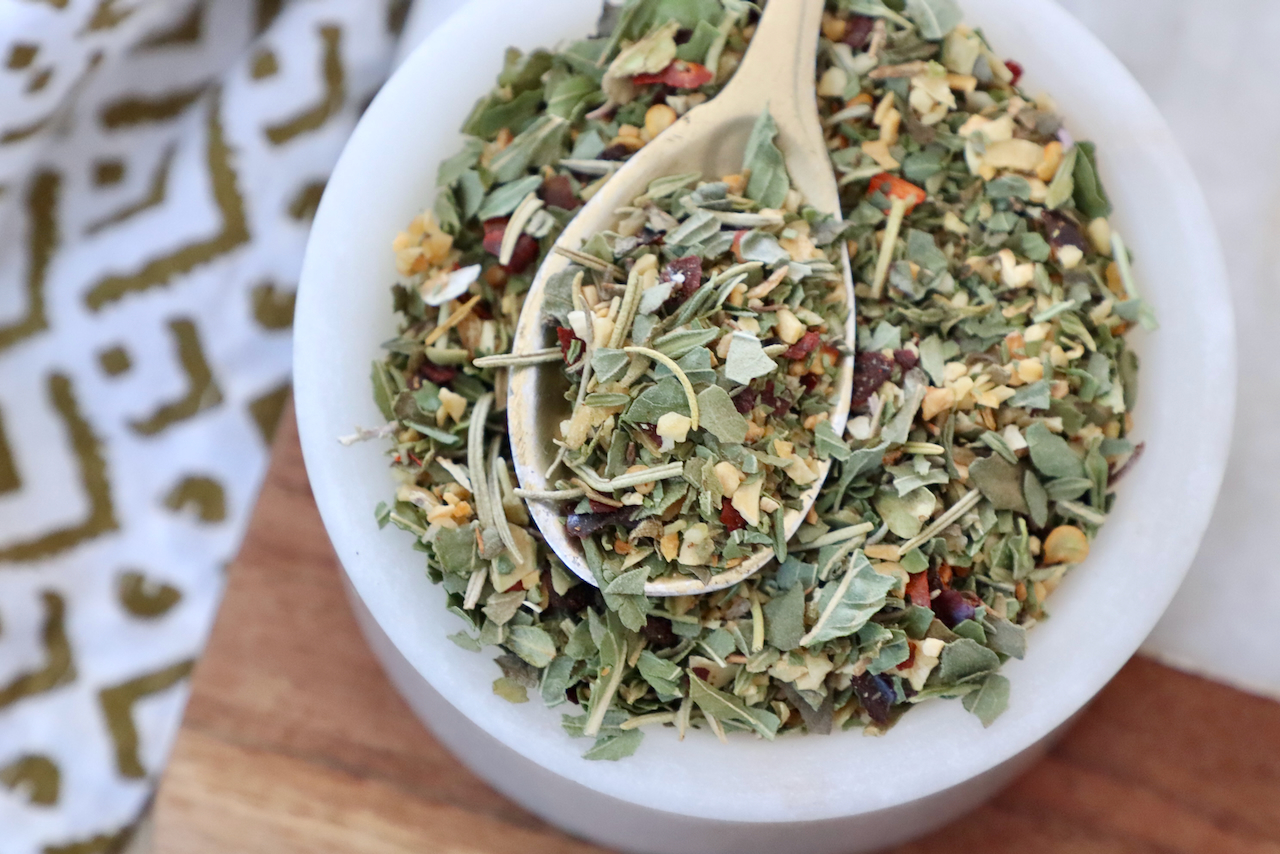
Unlock Authentic Flavors with Easy Homemade Italian Seasoning: Better Than Store-Bought
Imagine a spice drawer meticulously organized, brimming with aromatic treasures. Even amidst an array of exotic single-origin spices, certain blends hold a special place, becoming indispensable for daily culinary adventures. Among these, Italian seasoning reigns supreme for its incredible versatility and capacity to transform ordinary ingredients into something extraordinary. While countless pre-mixed options line grocery store shelves, there’s an undeniable magic in creating your own
homemade Italian seasoning recipe. It’s a simple act that promises fresher flavor, complete customization, and a touch of culinary pride that store-bought versions simply can’t match.
Making your own spice blends is one of the quickest and easiest ways to elevate your cooking. Not only does it put you in complete control of the ingredients, but it also ensures that your herbs are vibrant and potent, delivering a depth of flavor that can dwindle in commercially produced blends sitting on shelves for months. This Italian-style seasoning is a true kitchen hero, a vibrant medley of dried green herbs that forms the backbone of countless beloved dishes, from robust red sauces and creamy pasta bakes to humble roasted vegetables and hearty soups.
Why Make Your Own Homemade Italian Seasoning?
The decision to craft your own
homemade Italian seasoning recipe isn't just about saving a few dollars; it's about investing in superior taste and a more intuitive cooking experience.
Fresher, More Potent Flavor
Store-bought spice blends often suffer from a lack of freshness. Herbs, once dried, gradually lose their aromatic oils and potency over time. When you mix your own, you're starting with individual dried herbs that you can purchase and store separately, ensuring they retain more of their vibrant essential oils. Combining them just before use, or in small batches, guarantees a much more fragrant and impactful seasoning. The difference in aroma and taste is palpable, breathing new life into every dish.
Unmatched Customization to Suit Your Taste
One of the greatest advantages of a
homemade Italian seasoning recipe is the freedom to tailor it precisely to your palate. Do you prefer a more herbaceous blend with extra basil? Or perhaps a richer, earthier profile with more sage and marjoram? You’re in control. Unlike pre-mixed blends which offer a fixed profile, crafting your own allows you to adjust quantities, introduce new elements, or omit ingredients you don't care for. This level of personalization means your Italian seasoning will truly reflect your unique culinary style.
Cost-Effective and Additive-Free
While individual herbs might seem pricier initially, buying them in bulk and mixing your own blend is often more economical in the long run than repeatedly purchasing small jars of pre-mixed seasoning. Furthermore, many commercial blends can contain anti-caking agents, excessive amounts of salt, or other fillers. By going homemade, you ensure that your seasoning is pure, unadulterated, and free from any unwanted additives, allowing the natural flavors of the herbs to shine through.
The Essential Ingredients for Your Homemade Italian Seasoning Recipe
At its heart, Italian seasoning is a beautiful symphony of dried Mediterranean herbs. While specific ratios can vary, a core collection forms the foundation of every excellent
homemade Italian seasoning recipe.
Core Herbs for an Authentic Blend
Almost all Italian seasoning blends feature a quartet of highly aromatic dried herbs:
- Oregano: The robust, slightly bitter, and peppery backbone.
- Basil: Sweet, aromatic, and distinctly Italian, offering a classic flavor profile.
- Rosemary: Piney, pungent, and slightly floral, adding depth and warmth.
- Thyme: Earthy, minty, and subtly lemony, complementing the other herbs beautifully.
Common and Highly Recommended Additions
To build a more complex and nuanced flavor profile, many recipes, including ours, incorporate:
- Marjoram: A close cousin to oregano but with a sweeter, milder, and more delicate floral note. If you don't have marjoram, you can simply double the oregano, though the subtle difference is worth experiencing.
- Sage: Known for its earthy, slightly peppery, and pine-like aroma, sage adds a wonderful depth, particularly to heartier dishes.
Optional Enhancements for Personalized Flavor
This blend traditionally sticks to dried herbs, but the beauty of making your own is the freedom to experiment. Consider these additions to make your
homemade Italian seasoning recipe truly your own:
- Garlic Powder: For an irresistible garlicky kick, add a tablespoon or two. Just remember to mix well, as granular powders can settle.
- Red Pepper Flakes: If you enjoy a bit of heat, up to a tablespoon of red pepper flakes will add a delightful warmth.
- Onion Powder: A subtle sweetness and aromatic depth can be achieved with a teaspoon of onion powder.
- Salt: While some store-bought blends include salt, it's generally recommended to add salt separately to your dishes. This gives you precise control over the sodium content, allowing you to season to taste without over-salting your seasoning blend.
For even more ways to adjust your blend and explore flavor profiles, dive into our guide:
Customize Your Flavor: Versatile Homemade Italian Seasoning Recipe.
A Classic Homemade Italian Seasoning Blend:
Here's a fantastic starting point for your very own
homemade Italian seasoning recipe:
Ingredients:
- 2 tablespoons dried oregano
- 2 tablespoons dried basil
- 1 tablespoon dried rosemary (lightly crushed if using whole needles)
- 1 tablespoon dried thyme
- 1 tablespoon dried marjoram (optional, substitute with more oregano if needed)
- 1 teaspoon dried sage (optional, but highly recommended for earthy notes)
- (Optional additions: 1-2 teaspoons garlic powder, 1/2-1 teaspoon red pepper flakes)
Instructions:
Simply combine all the dried herbs in a small bowl. Stir vigorously or shake well in a jar until thoroughly mixed. For rosemary, if you have whole dried needles, gently crush them between your fingers or with a mortar and pestle before adding to release their full aroma. Your fresh batch of Italian seasoning is now ready to transform your cooking!
Unleashing the Flavor: Creative Uses for Your Homemade Italian Seasoning
Once you have a jar of your vibrant
homemade Italian seasoning, you’ll find yourself reaching for it constantly. Its versatility knows no bounds, making it a true workhorse in the kitchen.
Beyond Pasta: Diverse Culinary Applications
This blend of herbs pairs wonderfully with a myriad of ingredients, from rich olive oil and tangy vinegars to bright lemon and creamy cheeses.
- Italian Classics: Naturally, it’s a must for all your Italian-American favorites. Stir it into simmering red sauces, sprinkle it generously over homemade pizza, lasagna, or manicotti, and incorporate it into meatballs or meatloaves.
- Vegetable Star: Elevate simple roasted vegetables like potatoes, zucchini, bell peppers, or carrots. Toss them with olive oil and a generous amount of seasoning before roasting. It also brightens up sautéed greens or grilled asparagus.
- Meats & Poultry: Use it as a dry rub for chicken, pork chops, or steak before grilling, roasting, or pan-searing. It’s excellent on fish, particularly white fish like cod or tilapia.
- Soups & Stews: A spoonful stirred into any broth-based soup or stew, from minestrone to chicken noodle, adds instant depth and aromatic warmth.
- Dressings & Marinades: Whisk it into a homemade vinaigrette with olive oil, red wine vinegar or balsamic, and a squeeze of lemon juice. It creates a fantastic marinade for poultry or vegetables.
- Bread & Dips: For an easy but sophisticated appetizer, mix a generous amount with high-quality olive oil for dipping crusty bread. Sprinkle it over focaccia dough before baking, or mix it into butter for aromatic garlic bread.
- Breakfast & Brunch: A pinch over scrambled eggs, frittatas, or even avocado toast can add an unexpected savory twist.
Pro Tip: Blooming Your Herbs for Maximum Flavor
To truly unlock the full potential of your dried herbs, consider "blooming" them. Before adding your
homemade Italian seasoning to a dish, gently heat it in a little olive oil or butter for 30-60 seconds. This process gently toasts the herbs and releases their aromatic compounds, intensifying their flavor dramatically. Be careful not to burn them!
Customizing and Storing Your Homemade Italian Seasoning
The joy of a
homemade Italian seasoning recipe lies not only in its immediate use but also in its potential for ongoing customization and thoughtful storage.
Making Your Blend Truly Your Own
Don't be afraid to experiment with the basic recipe. Your kitchen is your laboratory!
- Spice It Up: As mentioned, red pepper flakes are a great addition for a bit of warmth. Start with a quarter teaspoon and gradually increase to your preference.
- Garlic Lover's Dream: If you adore garlic, feel free to increase the garlic powder beyond the initial suggestion. You could even add a pinch of dried minced garlic for textural interest.
- Earthy Depth: For an even richer, more grounding flavor, consider adding a tiny pinch of dried porcini mushroom powder. It adds an umami depth that is surprisingly complementary.
- Citrus Brightness: A very small amount of dried lemon zest (about half a teaspoon) can brighten the entire blend, especially when using it for fish or chicken.
- Herb Swaps: If you're out of marjoram, double the oregano. If you prefer a less prominent sage flavor, reduce its amount or omit it entirely.
For more detailed customization ideas and inspiration, be sure to check out
Customize Your Flavor: Versatile Homemade Italian Seasoning Recipe and
DIY Italian Seasoning: Simple Recipe, Storage & Usage Ideas. These resources offer deeper dives into tailoring your blend for specific dishes and preferences.
Storage Best Practices for Longevity
Proper storage is key to maintaining the freshness and potency of your
homemade Italian seasoning.
- Airtight Container: Always store your seasoning in an airtight container, such as a glass jar with a tight-fitting lid. This prevents moisture and air from degrading the herbs.
- Cool, Dark, Dry Place: Heat, light, and humidity are the enemies of dried herbs. Keep your jar in a cool, dark pantry or cupboard, away from direct sunlight and heat sources like the stove.
- Shelf Life: While your seasoning will still be good beyond this timeframe, its flavor will gradually fade. For peak potency and aroma, aim to use your homemade Italian seasoning within 6 months. After this period, you might notice the scent becoming less vibrant. It’s always a good idea to give it a sniff test – if it doesn’t smell much, it won’t taste much either.
Conclusion
Creating your own
homemade Italian seasoning recipe is a small step with a huge impact on your cooking. It’s an effortless process that yields a blend far superior in freshness and flavor to anything you can buy in a store. The ability to customize it to your exact preferences, coupled with its incredible versatility in the kitchen, makes this a staple that will quickly become indispensable. So, clear out those old, dusty spice jars and embark on a flavorful journey. Whip up a batch today and experience the vibrant difference a truly fresh, homemade Italian seasoning can make in every meal you create.